How social media quietly feeds your anxiety
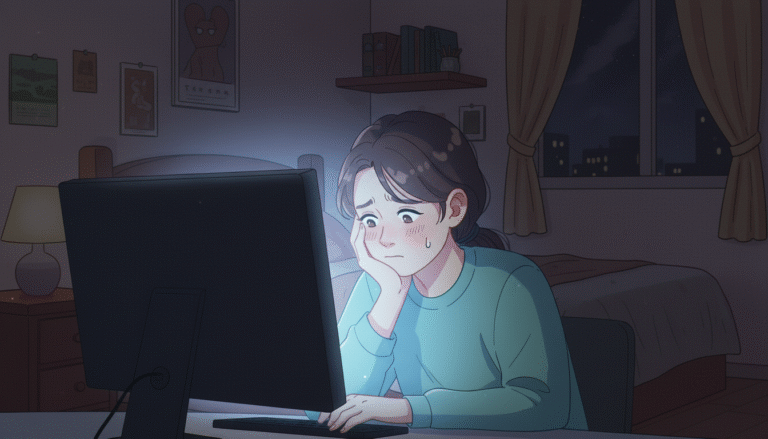
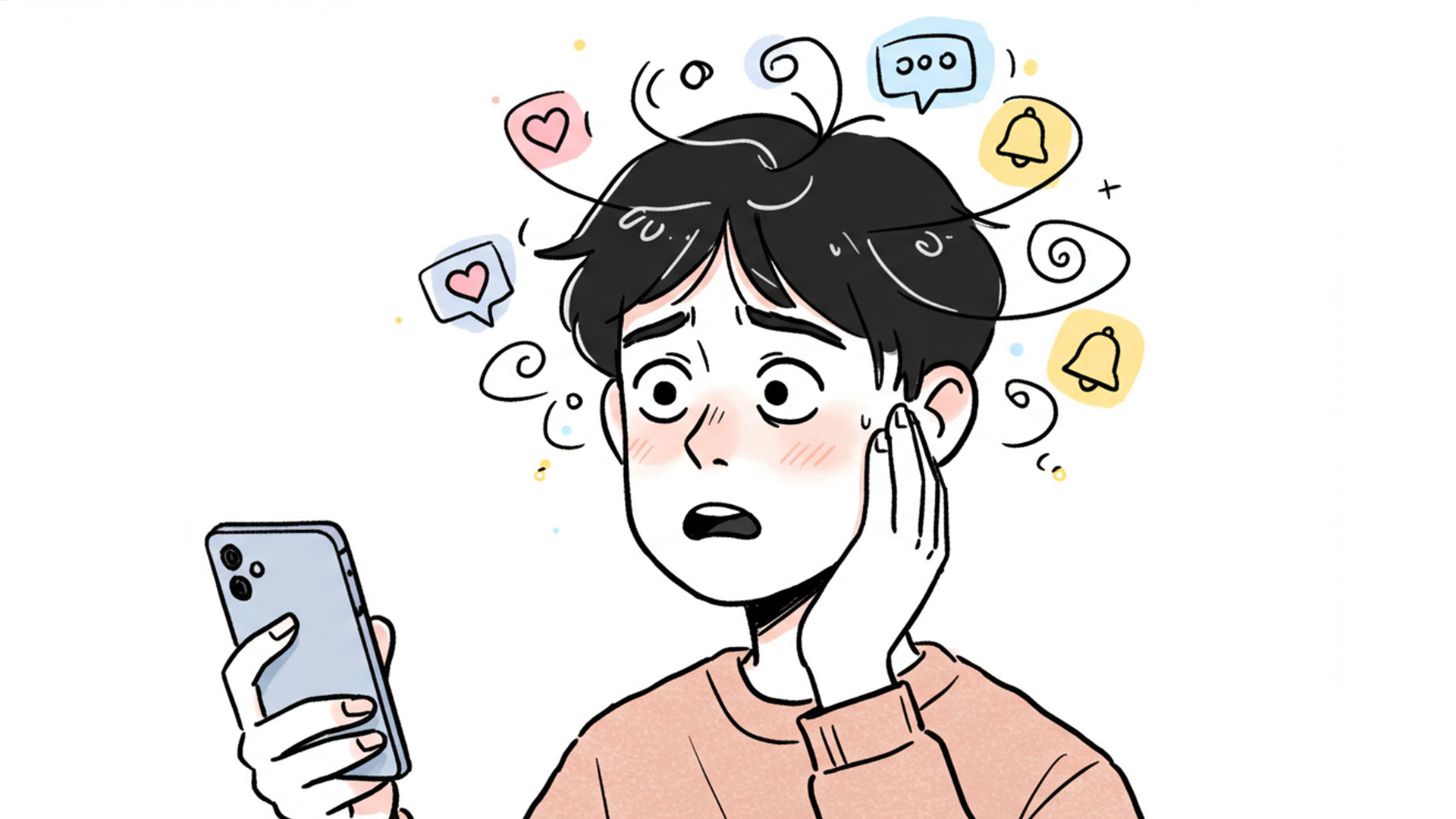
Let me guess — you picked up your phone just to relax for a minute.
Forty-seven minutes later, you’ve watched three gym reels, compared your career to a stranger’s highlight reel, and suddenly feel like you’re wasting your life.
Yeah… I know.
This is Lighter Mind — and today we’re talking about how social media messes with your mental health.
Quietly. Constantly.
The voice you don’t notice
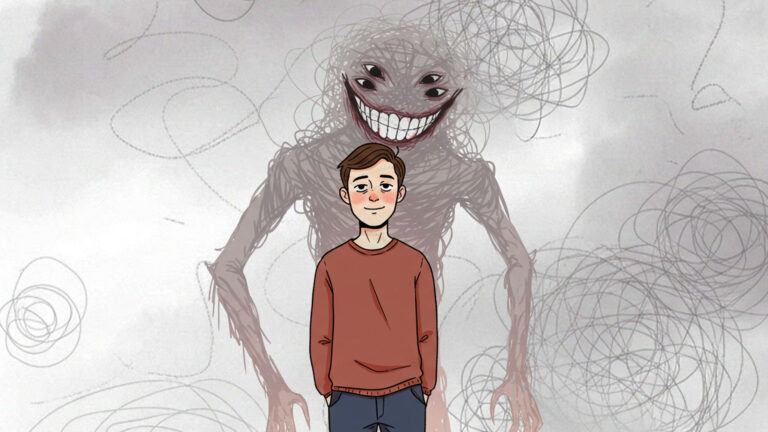
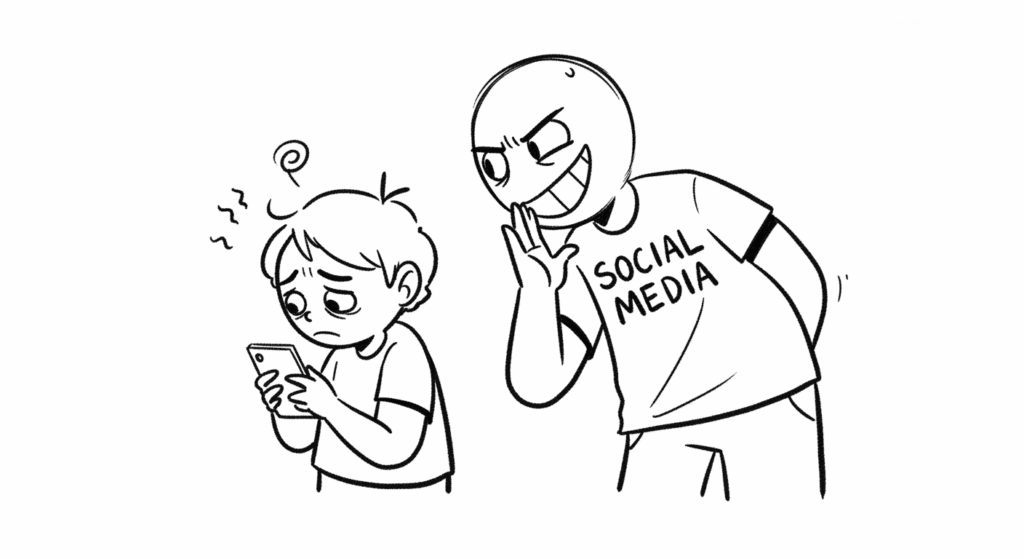
Social media doesn’t scream at you.
It whispers:
“You’re not enough.”
“You should be doing more.”
“Everyone else is thriving — why aren’t you?”
And the dangerous part? You don’t even notice it — because it happens while you scroll.
It’s not a punch to the face.
It’s a slow, constant drip of self-doubt disguised as entertainment.
What’s really happening in your brain
Studies show it’s not just what you see — it’s how your brain responds.
- Constant comparison makes you feel like you’re behind.
Every highlight reel chips away at your confidence, making it seem like everyone else is moving faster, happier, stronger. - Validation loops — likes, DMs, views — train your brain to link self-worth with attention.
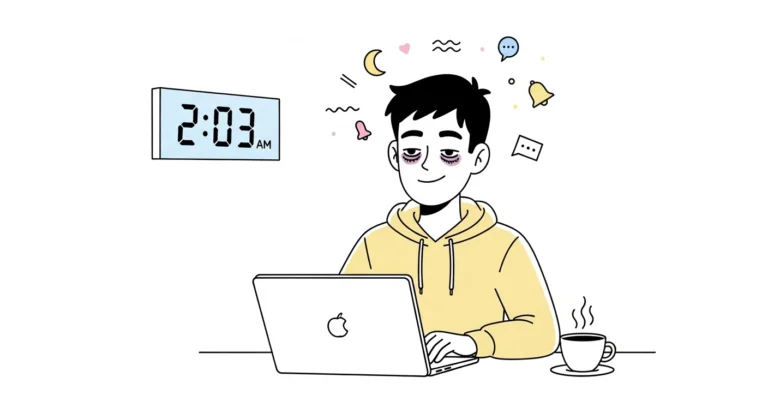
When engagement slows down, so does your sense of value. - Sleep and overstimulation. Late-night scrolling keeps your brain wired and your nervous system tense when it should be resting.
- Emotional numbness. Sometimes you don’t even feel bad — you just feel nothing.
That’s not boredom. That’s emotional burnout.
You’ve seen too much, felt too much, and your brain is protecting you the only way it knows how: by shutting down.
This isn’t about quitting everything
Let’s be honest — you’re probably not going to delete your accounts and go live in a forest.
And that’s okay.
This isn’t about abandoning technology.
It’s about noticing how it affects you — and learning to take back a little control.
Your brain wasn’t designed to process 300 opinions before breakfast.
Your nervous system wasn’t built for constant alerts, likes, and perfect people.
And your worth? It’s not measured in followers, views, or blue checkmarks.
It’s measured in how you talk to yourself after you put the phone down.
5 Ways to Make Social Media Feel Lighter
1. Curate your feed — protect your peace.
Your feed shapes your mood more than you realise.
Unfollow accounts that make you feel small, even if they’re “aspirational.”
Follow creators who make you feel grounded, not guilty.
Your algorithm should feel like a safe space — not a mental trap.
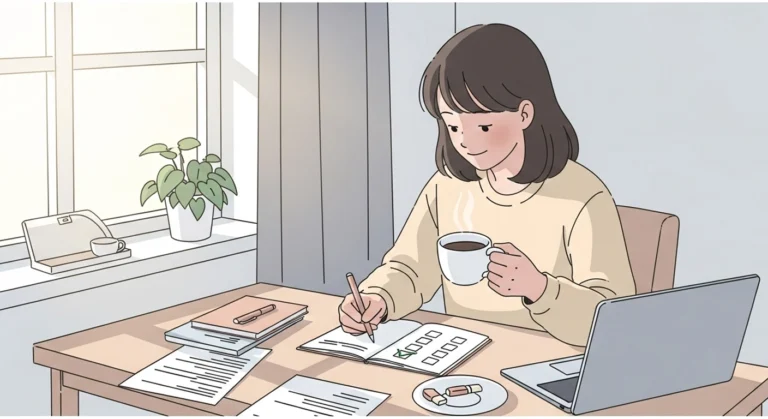
2. Set limits and take real-life breaks.
You don’t need a digital detox retreat — just small boundaries that protect your headspace:
no scrolling in bed, no phone before breakfast, 10-minute breaks every hour.
These tiny pauses tell your brain it’s safe to rest.
3. Turn off notifications — give your mind its own rhythm.
Every ping and vibration is a mini stress signal.
Turn off what’s unnecessary.
You’re allowed to decide when to be available — that’s not neglect, it’s self-respect.
4. Reflect before you scroll.
Before opening an app, pause for three seconds and ask:
“Why am I opening this right now? Am I bored, anxious, lonely?”
Naming the emotion breaks the habit loop.
You might still scroll, but now you’re doing it consciously — and that changes everything.
5. Learn to pause — offline.
We don’t always scroll because we’re curious.
Sometimes it’s because we’re overwhelmed.
When that happens, stop.
Try breathing (inhale 4s, hold 4s, exhale 4s, hold 4s).
Stretch. Write down one thought. Step outside.
Remind your body that it’s safe.
That’s emotional regulation — and it’s one of the most powerful skills you can learn.
Take back your attention
If this made you pause…
If something here felt uncomfortably familiar…
Don’t just scroll away.
Your mind deserves better than constant noise.
You don’t need to disappear to find peace — you just need to notice what steals it.
🕊️ Take a deep breath. You’re already doing better than you think.