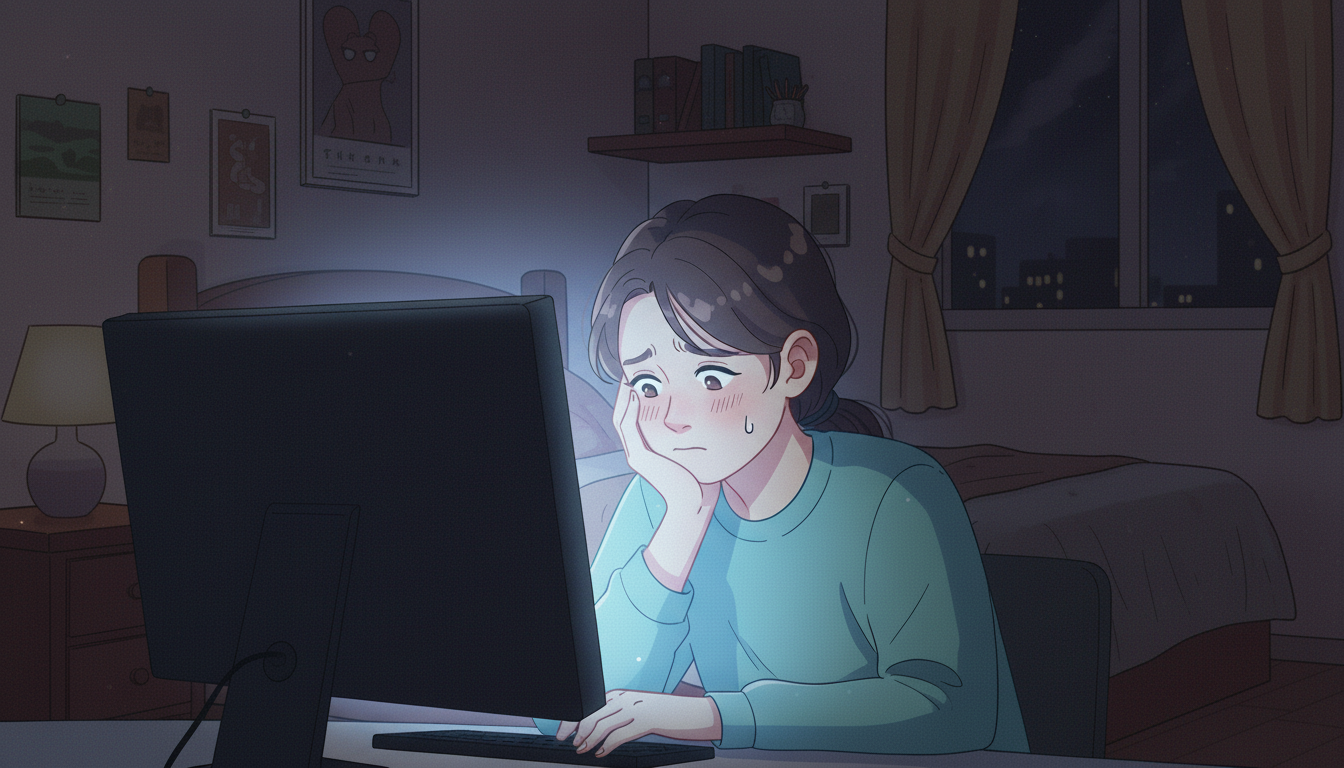
Let me guess — you felt a weird twinge in your shoulder.
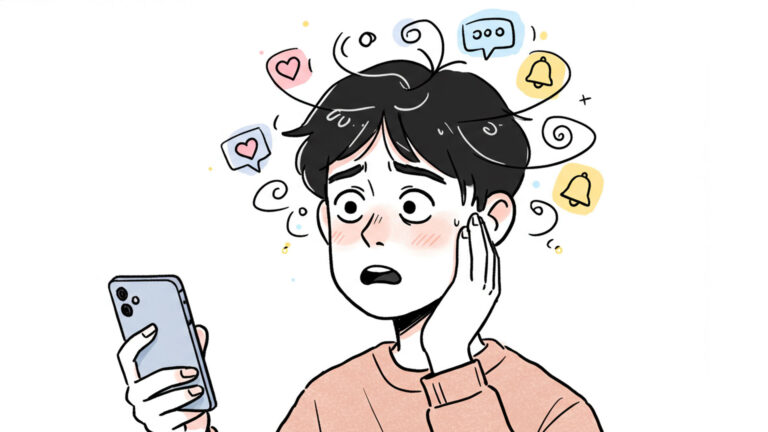
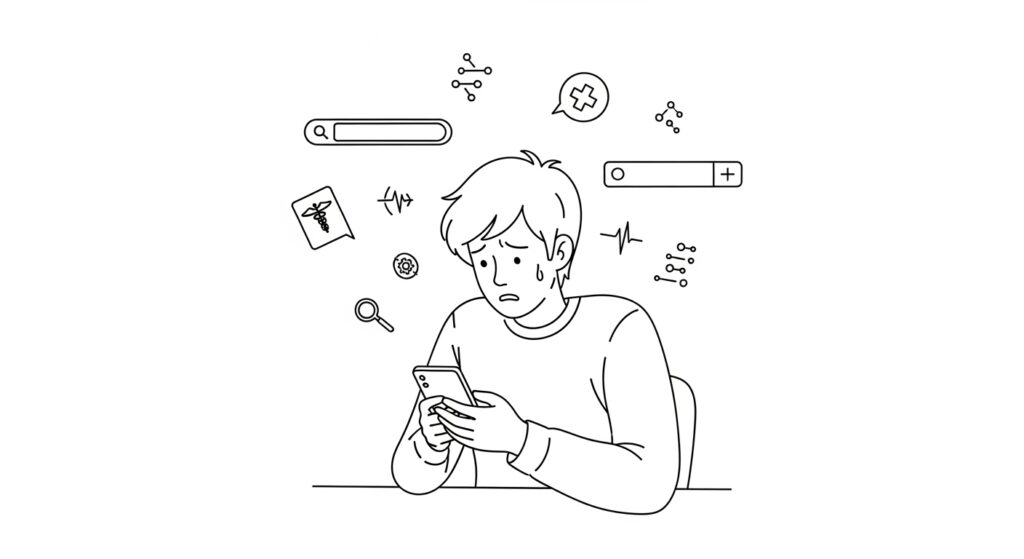
Before you even had time to breathe, your thumb was already tapping the search bar.
“Shoulder pain left side heart problem?”
“Sign of blood clot in arm?”
“Can stress cause arm numbness?”
It wasn’t dramatic. It wasn’t irrational.
It was instinct — the modern, algorithm-shaped version of it.
And suddenly, a random ache becomes a medical emergency.
A hiccup becomes a red alert.
That’s cyberchondria — anxiety fueled by searching.
But there’s something new in the mix — something deeper, quieter, and entirely everywhere.
It’s called algorithmic anxiety.
🌀 When algorithms finish your sentences (and fears)
Have you ever felt like your phone knows you a little too well?
According to writer Kyle Chayka, we are now living in “The Age of Algorithmic Anxiety.”
Everything is curated — from the songs we play to the maps we follow.
Every click teaches the machine what to show you next.
“It can feel as though every app is trying to guess what you want before your brain has time to come up with its own answer.”
That’s fine when a playlist aligns with your mood.
But what about when you’re scared — and the algorithm feeds that fear?
That’s when the technology stops just recommending… and starts reinforcing.
🔁 The cyberchondria loop, now amplified
Here’s the cycle:
- You feel something.
- You search it.
- You click a result (usually the scariest one).
- Now your feed thinks you’re interested in diseases.
- You start seeing more worst-case medical content.
- You panic more.
- You search even deeper.
This isn’t coincidence.
This is prediction.
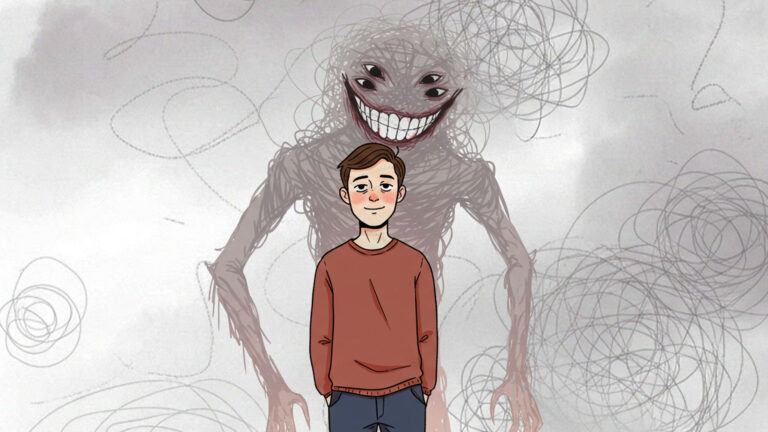
This is the machine reflecting your fear back at you.
And it doesn’t stop with symptoms — it can be anything: health, relationships, career, identity.
If you watch one anxiety video on TikTok, you’ll soon get dozens.
If you click on a neurological disorder article, suddenly you’re deep in rabbit holes about conditions you’ve never heard of.
The internet remembers your fear.
⚠️ The dangerous illusion of control
When everything is personalized, you start wondering:
“If this shows up… does that mean it’s true?”
And if your feed is constantly surfacing stories about insomnia, cancer, or neurological conditions — it’s easy to start believing something must be wrong with you.
But here’s the twist: the more you search, the more it feeds you.
And the more it feeds you, the more anxious you feel.
There’s a name for this.
Shoshana Zuboff calls it surveillance capitalism — systems built to use your fear, curiosity, and uncertainty as data to keep you engaged.
That’s not connection.
That’s exploitation.
💬 The hidden cost of “knowing too much”
Before algorithms, you had fewer opinions to fight against.
Now, your mind is a reflection of your scrolling patterns.
And with cyberchondria + algorithmic anxiety, the cost isn’t just stress. It’s:
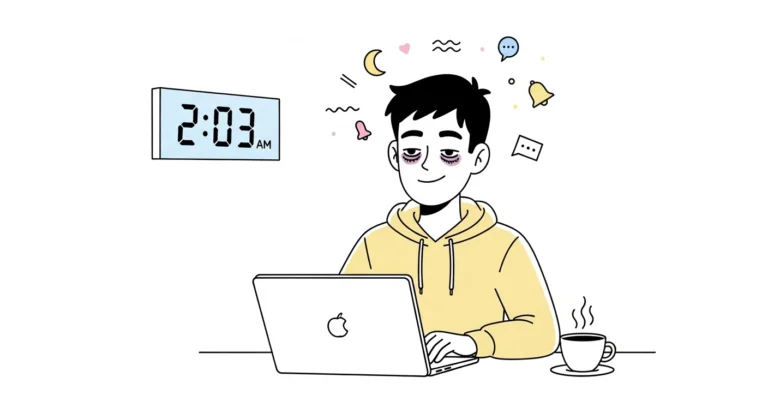
- Loss of sleep
- Distrust in your body
- Constant self-monitoring
- Decreased productivity
- Emotional burnout
- Avoiding real doctors because you’re already “sure”
Sometimes the overload of possible answers leaves you with zero clarity.
You were searching for peace.
But what you found was panic.
🌱 So how do we quiet the algorithm without disconnecting completely?
Let’s be honest: you’re not going to delete Google.
Or uninstall TikTok.
And you shouldn’t have to.
But here are ways to reclaim your inner space — without abandoning the world.
🛑 How to Break the Spiral / Practical Tips
1. 🕒 Introduce a “search pause”
Before you ask Google anything, write your symptoms down.
Sit with them.
Ask: Is this coming from fear or from real physical need?
Set a timer.
Take a breath before you take a step.
2. 👩⚕️ Prefer people over prediction
If a symptom is worrying you, ask a human.
Your doctor, a nurse hotline, a friend.
Google tells you what’s possible — not what’s true.
Humans give you context.
3. 📵 Curate your feed
Unfollow accounts that trigger anxiety.
Mute terms that overwhelm you.
Actively follow creators who promote balanced and factual content.
Your feed should empower you, not manipulate you.
4. 🔍 Search like a scientist, not a panicked traveler
Use trusted sources:
- Mayo Clinic
- NHS
- WHO
- Cleveland Clinic
Avoid forums, clickbait headlines, or TikTok “diagnosis” trends.
Research with your brain — not with your fear.
5. 📚 Remember: personalization isn’t truth
You are not your algorithm.
You’re not your search history.
You are a whole person — with complexity that technology cannot capture.
If the computer feels like it’s in control… it’s a sign to pause, not panic.
🌿 Take the power back
You’re not broken for feeling this way.
You’re living in a time where psychology, technology, and anxiety have never been so intertwined.
This is not about being “too online.”
It’s about being human in a machine-built world.
You can be informed without being overwhelmed.
Connected without being consumed.
Curious without spiraling.
And when the noise gets too loud, remember:
You are more than your symptoms.
You are more than your searches.
And your peace of mind is not algorithm-generated — it’s built, slowly, with care.
Take a breath.
You’re not alone here.