You’re Not a Night Owl: It’s Your Sleep Saboteurs
Let’s be honest — you’re not a night owl.
You’re just tired, overstimulated, and tricked into thinking exhaustion is a personality trait.
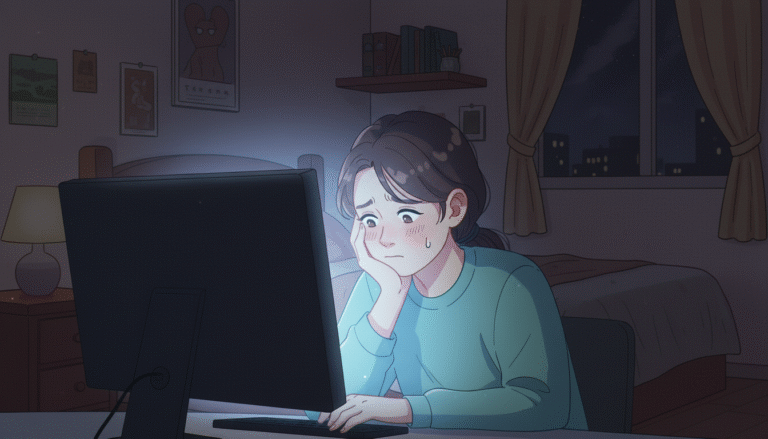
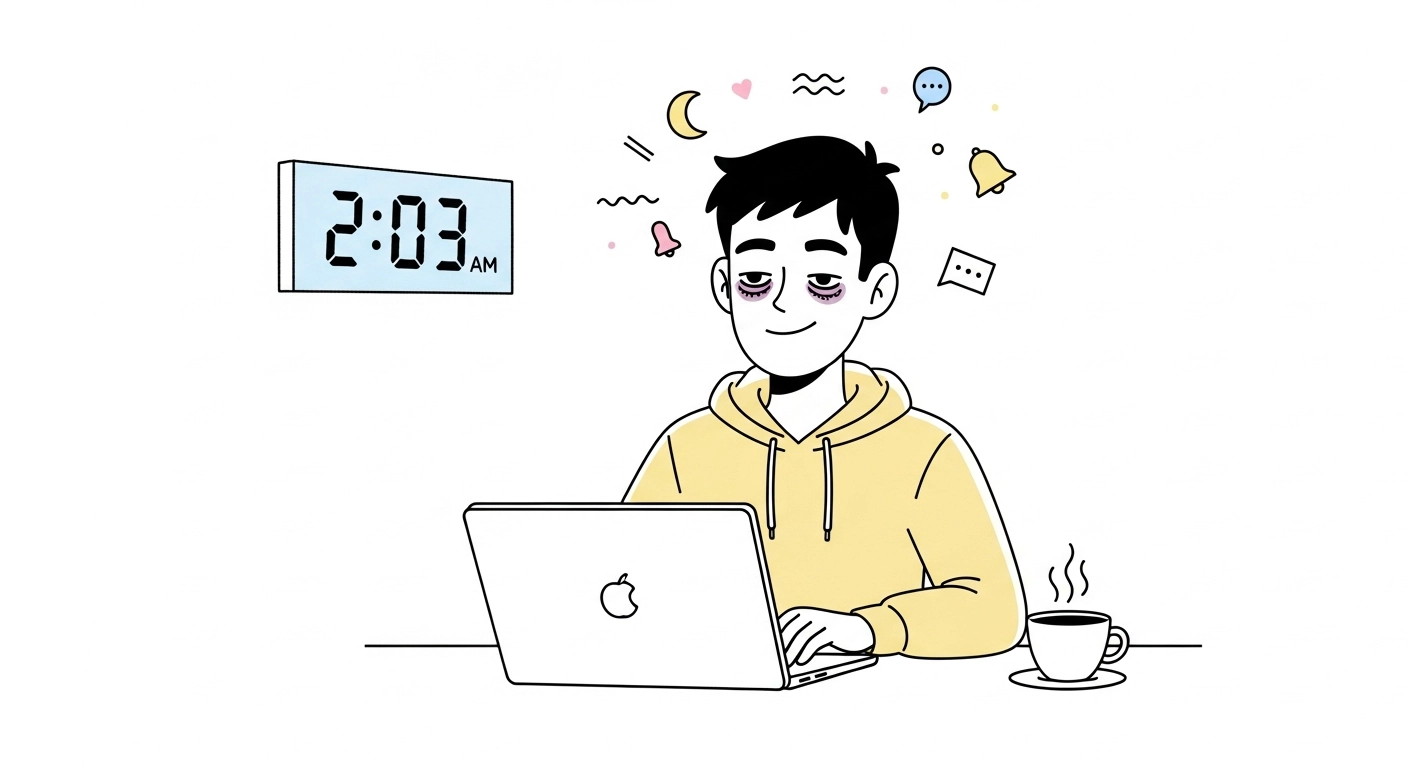
You said you’d go to bed early, but somehow it’s 1:47 a.m. again — and your brain feels like a browser with 37 tabs open.
This is Lighter Mind — and today, we’re exposing the quiet habits that are stealing your sleep.
No pressure. Just perspective.
Why your sleep quality is quietly falling apart
Sleep doesn’t disappear overnight — it gets chipped away.
By the blue glow of your screen.
By the “one last episode.”
By the endless mental to-do list that shows up exactly when you’re trying to rest.
And when you can’t sleep, you reach for something quick — a pill, a gummy, a “natural” hack.
But sometimes, the fix becomes the new problem.
The truth about melatonin: natural doesn’t mean harmless
Melatonin sounds safe because it’s “natural.”
But not everything natural is harmless — arsenic says hi.
Your body produces melatonin on its own — it’s a hormone that helps regulate your sleep-wake cycle.
But the over-the-counter version is a different story.
A recent observational study by the American Heart Association examined over 130,000 adults with insomnia, half of whom used melatonin for at least a year.
The data suggested a possible link between long-term use and increased risk of heart issues — including up to a 90% higher likelihood of heart failure, 3.5 times greater hospitalization rates, and twice the mortality rate among frequent users.
Here’s the part you need to remember:
👉 This doesn’t prove melatonin causes heart problems.
The researchers themselves emphasized it’s correlation, not causation.
Factors like stress, anxiety, medication use, or insomnia severity could also explain the pattern.
Still, experts like Dr. Wendy Troxel call it “an important wake-up call.”
Because while melatonin is often treated like a harmless nightly vitamin,
its long-term safety isn’t fully understood — and more research is needed.
So if you’re taking it regularly, don’t panic. Just be informed.
Talk to your doctor. Adjust your habits.
And remember: even natural things deserve professional supervision.
Melatonin isn’t a sleep aid — it’s a sleep signal
Here’s what most people get wrong: melatonin doesn’t make you sleep — it tells your body it’s time to.
It’s a chronobiotic, not a sedative.
High doses (like 5mg or 10mg — far more than your body ever makes naturally) can confuse your circadian rhythm.
Instead of helping, it can delay your body’s internal clock, leaving you groggy, irritable, or dependent on supplements to fall asleep.
That’s why so many people say, “It worked at first, but now I feel worse.”
Because you’re not fixing the cause — you’re just silencing the symptom.
Meet your real sleep saboteurs
If your sleep sucks, don’t just blame your biology. Look at your nightly habits — the silent saboteurs that keep your body on alert.
1. Screens after sunset
Your phone’s blue light tells your brain it’s still daytime. Every scroll suppresses melatonin and delays deep sleep.
Try a digital cutoff 60 minutes before bed, or use warm, amber lighting instead of that neon glow.
2. Revenge bedtime procrastination
You feel robbed of free time during the day, so you “take it back” at night.
But staying up late for one more episode is just stealing from tomorrow’s energy.
3. Caffeine’s long shadow
That innocent 4 p.m. coffee? Still in your bloodstream at midnight.
Caffeine has a half-life of about six hours — it keeps your brain half-awake long after you’ve finished the cup.
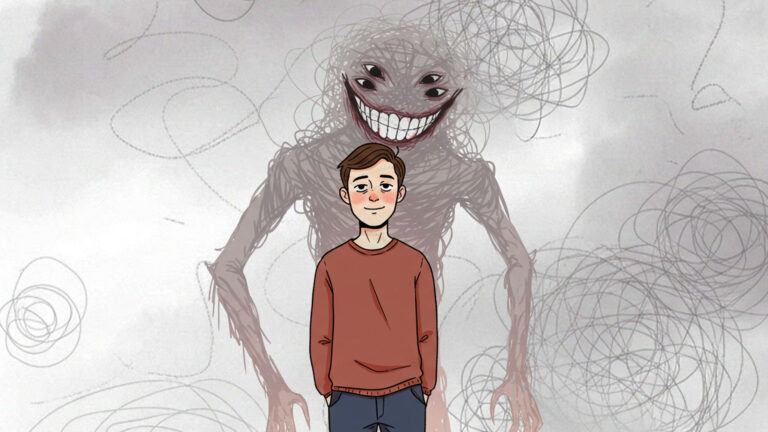
4. Stress that won’t clock out
You can’t sleep if your nervous system thinks you’re in danger.
Slow breathing — inhale 4s, hold 4s, exhale 4s, hold 4s — lowers cortisol and tells your body, “You’re safe now.”
5. Inconsistent sleep schedule
Your body craves rhythm. Sleeping at random times is like changing time zones every night — your brain can’t sync.
Healthy sleep habits that actually work
You don’t need to meditate on a mountaintop. You just need small, consistent acts that help your body trust the dark again.
1. Dim your lights an hour before bed
Light suppresses melatonin and keeps cortisol levels high — your body’s “stay awake” hormone.
By dimming lights or using warm bulbs, you allow melatonin to rise naturally, setting your brain up for rest instead of alertness.
2. Move a little
Light exercise — walking, stretching, or yoga — helps regulate stress hormones like adrenaline and cortisol.
After movement, your body temperature drops, signaling that it’s time to sleep. It’s not about exhaustion — it’s about restoring rhythm.
3. Build a bedtime ritual
A consistent ritual acts like a cue to your nervous system: “The day is ending.”
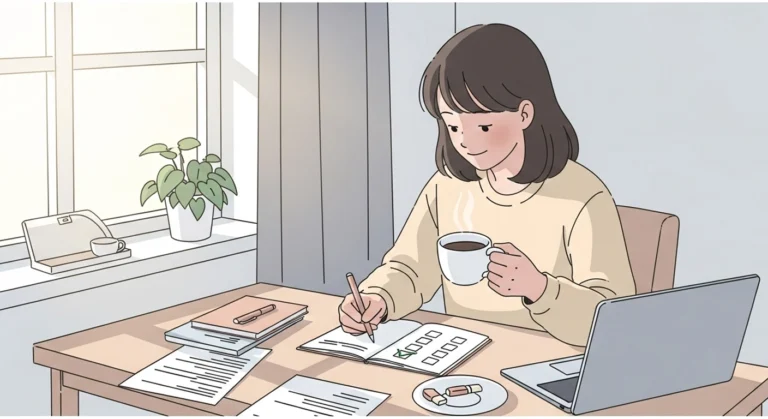
Tea, journaling, reading — whatever feels peaceful. Over time, these small acts condition your body to relax automatically.
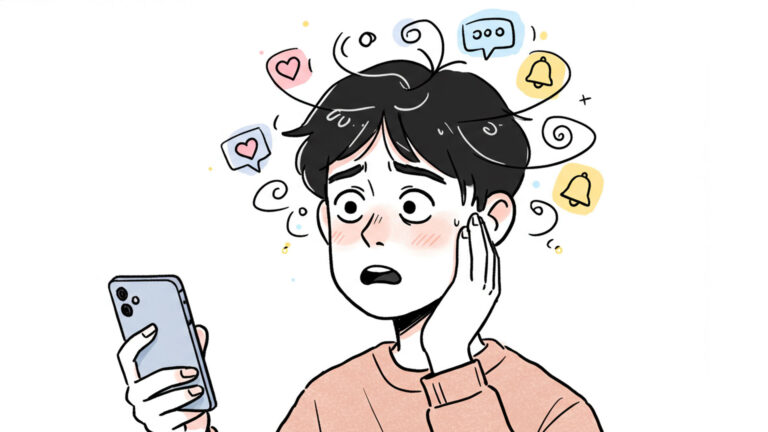
4. Turn off notifications
Every ping delivers a dopamine hit — the same chemical that fuels anticipation.
Those tiny jolts of stimulation keep your brain wired long after the phone is down.
Silence, on the other hand, activates your parasympathetic system — the one that says, “It’s safe to rest now.”
And most importantly — don’t self-medicate
This part isn’t optional — it’s essential.
If your insomnia keeps dragging on or your fatigue feels heavier each week, talk to a doctor.
Not because you’re weak — but because your body might be signaling something deeper.
Sleep problems can be linked to anxiety, depression, thyroid imbalances, nutrient deficiencies, or even heart conditions.
Taking supplements on your own — even “natural” ones like melatonin — can mask those signals and make real diagnosis harder.
Your nervous system is complex. The hormones that control your sleep also affect mood, metabolism, and immunity.
When you alter them without guidance, you’re tampering with a delicate system that keeps you functioning.
That’s why self-medicating is dangerous: it can give temporary relief while quietly worsening the root cause.
Doctors don’t just hand out pills — they investigate. They look at stress, hormones, and your full lifestyle picture.
So please: if your nights are restless and your mornings feel like hangovers without alcohol, don’t guess — get checked.
Your sleep isn’t just a habit; it’s a signal.
And listening to it — with professional help — might be the most powerful act of self-care you’ll ever choose.
Sleep isn’t lazy — it’s healing
We glorify the grind and shame rest. But sleep isn’t weakness — it’s maintenance.
It’s how your body repairs, resets, and remembers who you are.
So tonight, maybe skip the gummy.
Skip the guilt too.
Just give yourself permission to rest.
Because your body isn’t broken — it’s just begging for balance.
If this hit home, take a breath.
Awareness is your first step back to real rest.
Lighter Mind.
No pressure. Just perspective.